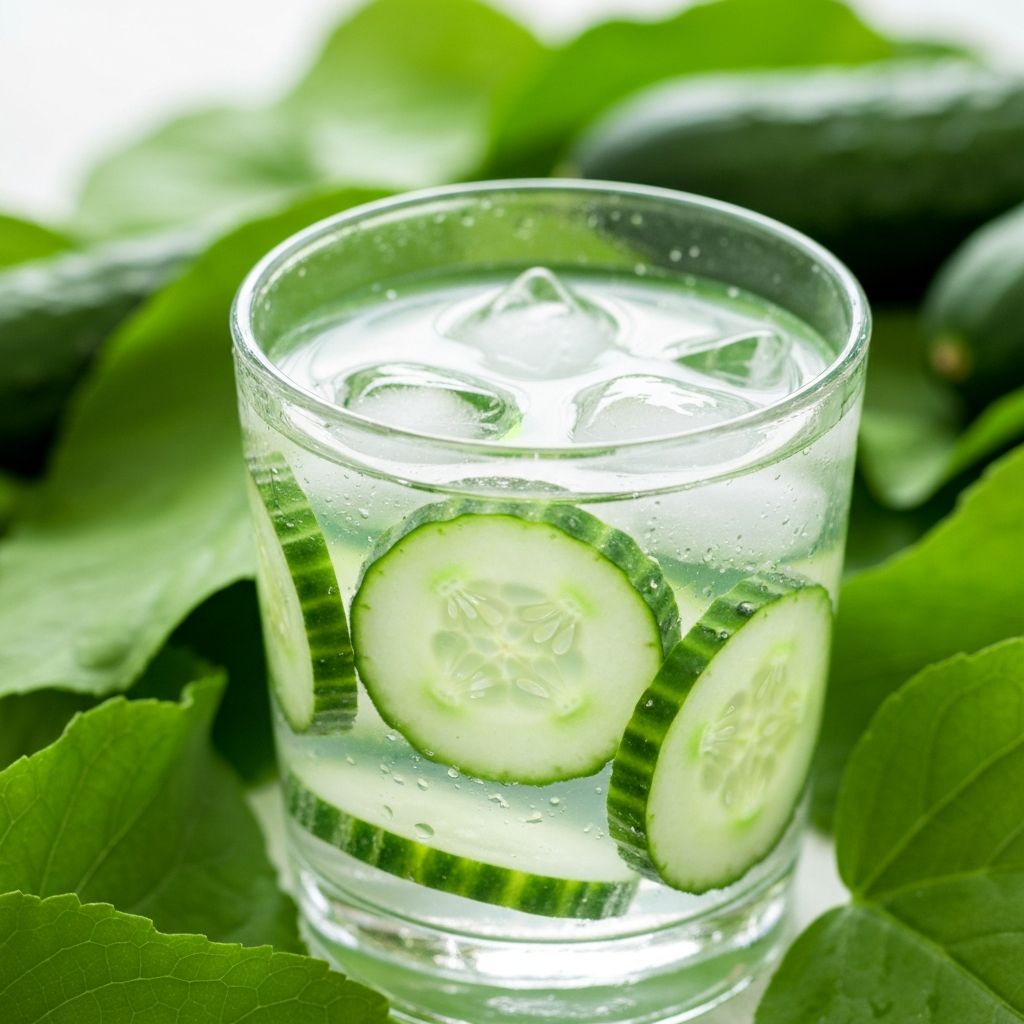
Hydration Myths and Realities in Daily Life
Separating fact from fiction about water intake and understanding hydration needs
The Common "8 Glasses a Day" Rule
One of the most persistent hydration myths is that everyone needs exactly eight 8-ounce glasses of water daily. This oversimplification doesn't account for individual differences, climate, activity level, or dietary water intake from foods.
The origin of "8x8" is unclear, but it has become a universal recommendation despite lacking strong scientific basis for individual application.
Individual Hydration Needs
How much fluid you need depends on many factors:
Activity Level
Someone exercising daily needs more fluid than a sedentary person. Sweat loss during activity increases fluid needs significantly.
Climate and Environment
Hot, dry climates increase fluid needs. Cold environments may reduce thirst perception while still requiring adequate hydration.
Diet
Water-rich foods (fruits, vegetables, soups) contribute to hydration. Someone eating lots of fresh produce may need less drinking water than someone with a drier diet.
Body Size
Larger individuals generally need more fluid than smaller individuals.
Age and Health
Children, older adults, and people with certain health conditions may have different hydration needs.
Medication
Some medications affect fluid balance and hydration needs.
How to Know If You're Hydrated
Rather than counting glasses, use these practical indicators:
Thirst
Thirst is your body's signal that you need fluid. Contrary to myth, thirst is a reliable indicator for most healthy people. If you're thirsty, drink.
Urine Color
Pale yellow to clear urine generally indicates good hydration. Dark yellow or amber urine may suggest you need more fluids. However, some vitamins and foods affect urine color.
Energy and Mood
Mild dehydration can affect concentration and mood. If you notice persistent fatigue or difficulty concentrating, adequate hydration may help.
What Counts as Hydration
Hydration comes from multiple sources:
- Water: The obvious source
- Other beverages: Tea, coffee, milk, juice, soup—all contribute to fluid intake
- Water-rich foods: Fruits and vegetables (watermelon, cucumber, lettuce) contain significant water
- Milk: Contains water and other nutrients
Caffeinated beverages like coffee and tea do contribute to hydration, contrary to older myths. While caffeine has mild diuretic effects, the fluid contribution outweighs these effects.
Hydration and Body Functions
Adequate hydration supports:
- Nutrient transport and absorption
- Temperature regulation through sweating
- Joint lubrication and cushioning
- Digestive function
- Cognitive performance and mood
- Physical performance and recovery
Common Hydration Myths
Myth: You Need 8 Glasses Daily
Reality: Individual needs vary. Listen to your thirst and observe urine color as practical guides.
Myth: Coffee Dehydrates You
Reality: Caffeinated beverages contribute to overall hydration despite mild diuretic effects.
Myth: You Should Drink Water Even If You're Not Thirsty
Reality: Thirst is a reliable indicator for most healthy people. Forcing excessive water intake can actually be harmful (hyponatremia).
Myth: Clear Urine Always Means Good Hydration
Reality: Pale yellow is optimal. Very clear urine might indicate overhydration. Urine color also depends on diet and medications.
Myth: Drinking More Water Helps You Lose Weight
Reality: Water contains no calories, but drinking water doesn't directly cause weight loss. Staying hydrated supports metabolism, but excessive water consumption doesn't accelerate weight change.
Practical Hydration Approach
- Drink water regularly throughout the day
- Respond to thirst signals
- Monitor urine color as a practical hydration indicator
- Increase fluid intake during exercise or hot weather
- Recognize that other beverages and water-rich foods contribute to hydration
- Avoid extreme hydration (forcing excessive water intake)
Special Considerations
Some people may need specific hydration guidance:
- Athletes in training or competition
- People with kidney or cardiovascular conditions
- Older adults who may have reduced thirst sensation
- Pregnant or breastfeeding individuals
- People taking diuretic medications
These individuals may benefit from personalized hydration recommendations from healthcare providers.
Key Takeaway: Hydration needs are individual and influenced by activity, climate, diet, and health status. Thirst and urine color are practical guides for most people. Simple rules like "8 glasses daily" don't account for individual variation.